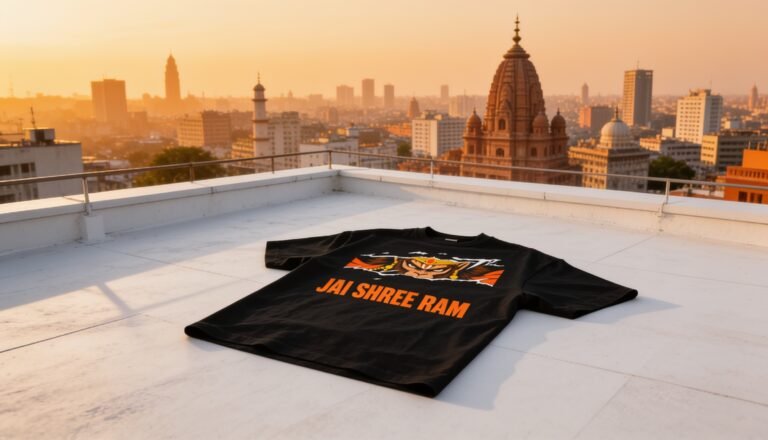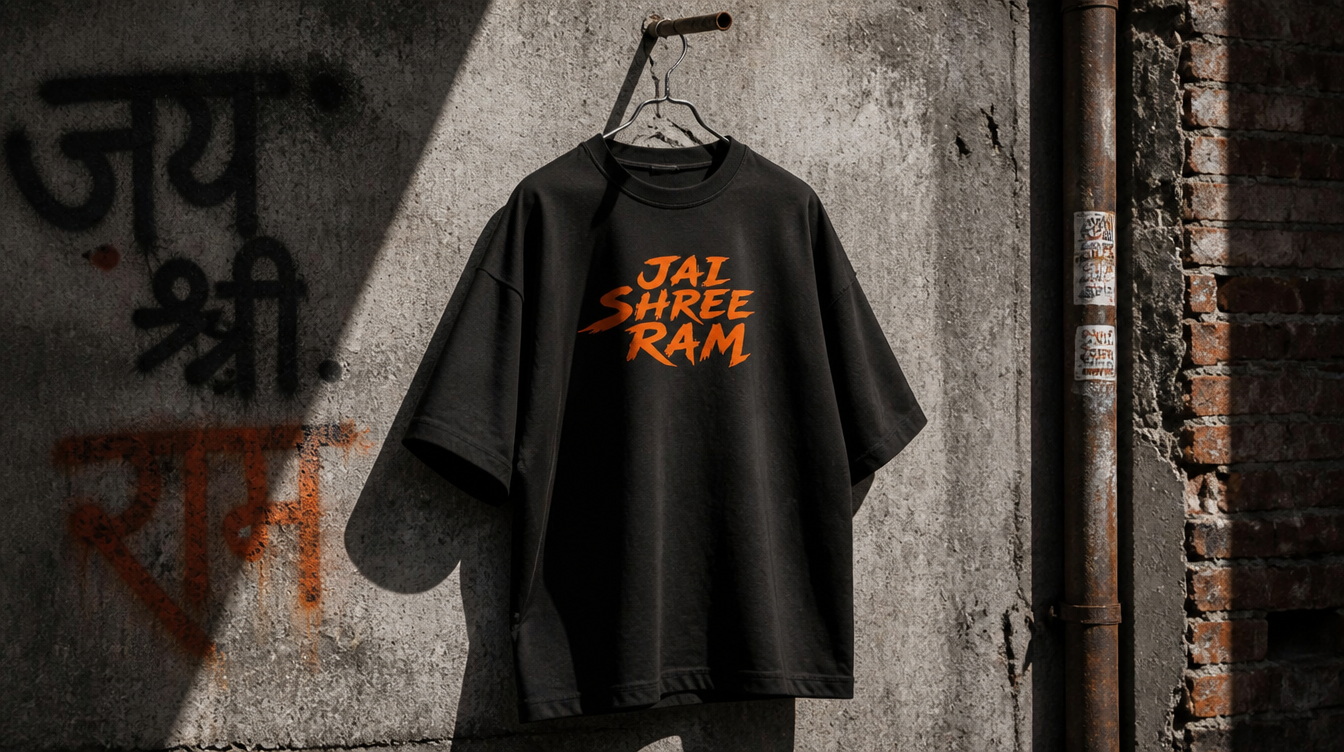
Brutalist architecture gets described as inhumane. Exposed concrete, no ornamentation, heavy geometry, zero apology for what it is. The same aesthetic logic is now running through Indian streetwear, and it fits the way young Indians dress in cities better than most imported aesthetics that arrived before it. This piece breaks down what brutalist streetwear actually is, why it’s gaining ground in Indian cities, and what wearing it looks like in practice.
What is brutalist fashion?
Brutalist fashion borrows its name and core principles directly from brutalist architecture. The movement peaked in the 1950s through 1970s and produced buildings that prioritised structural honesty over decoration. The material was the statement, the form followed the function, and nothing was hidden or prettified.
Translated into clothing, that means: heavy fabrics worn at face value, silhouettes that emphasise mass and weight rather than minimising them, and graphics or text used for direct communication rather than decorative effect. The opposite of fast fashion’s trend-chasing, and the opposite of luxury fashion’s signalling through logos and materials.
In streetwear specifically, brutalism shows up as heavyweight oversized tees with bold, unadorned graphics; raw-edge or unfinished details treated as features rather than flaws; monochrome or near-monochrome palettes (black, slate, concrete grey, off-white); and proportions that prioritise presence over elegance.
Why it resonates specifically in Indian cities
Indian cities are themselves brutalist environments in the literal sense. Chandigarh was designed by Le Corbusier, one of the pioneers of brutalist urban planning. Delhi’s government buildings, Ahmedabad’s institutions, Mumbai’s residential towers. Much of mid-century Indian urban architecture used exposed concrete and heavy, functional form.
Young Indians growing up in these cities are surrounded by brutalist built environments. The aesthetic resonates partly because it’s familiar. The same visual logic that structures the spaces people actually inhabit. There’s also a generational resistance element: brutalism is the visual opposite of the aspirational, polished aesthetic that Indian advertising and fashion have historically defaulted to. It says nothing is being hidden or prettified. It’s an anti-aspirational statement in a culture that has historically over-indexed on aspiration.
There’s a third factor: Indian summers make heavy layering impractical for eight months of the year. Brutalist streetwear’s emphasis on the single heavyweight piece, one statement tee, one strong silhouette, works for a climate where you can’t stack three layers and call it an outfit.
The brutalist streetwear aesthetic: what it looks like
Heavyweight fabric as a statement
A 260 to 300 GSM terry or cotton tee has physical presence that a 160 GSM fast-fashion tee doesn’t. It holds its shape differently, drapes with more weight, and looks considered in a way lighter fabric doesn’t. In brutalist streetwear, the fabric is part of the statement, not just a vehicle for the graphic printed on it.
Bold typography over decorative graphics
Where maximalist streetwear uses complex illustrative graphics and luxury streetwear uses logo placement, brutalist streetwear uses text: direct, legible, sometimes confrontational. City names, single-word statements, local language typography. The Vibrant Wolf graphic tee range pulls from this tradition, references to specific Indian cities and cultural moments, printed large and without apology.
Monochrome or near-monochrome palettes
Brutalist architecture uses the natural colour of its materials: concrete grey, raw brick, oxidised steel. Brutalist streetwear works the same way: black on black, off-white on cream, slate on charcoal. When colour appears, it appears as an accent, a single lime green, an unexpected rust, rather than as the main event.
Volume without decoration
Wide silhouettes, boxy fits, drop shoulders, but without the layering and accessory stacking that characterises other streetwear aesthetics. The proportions are large; the outfit is simple. The mass of the silhouette does the visual work that decoration would do in other approaches.
How to wear brutalist streetwear in an Indian city
The risk with any strong aesthetic direction in fashion is wearing it as a costume, assembling the references without the underlying logic. Brutalist streetwear worn badly looks like someone read about the trend and bought the pieces without understanding the principle. The principle is: the material and the form are the statement, not the accumulation of elements.
Start with one heavy piece: a 260 GSM oversized tee or a heavyweight sweatshirt. Let that be the anchor of the outfit rather than one piece among many competing elements. Keep everything else subordinate: dark straight-leg trousers or cargos, clean unbranded footwear, no visible logos competing with the hero piece.
Resist accessory accumulation. Brutalism is about reduction, not addition. A cap, a bag, a chain, each additional element needs to earn its place. If it’s decorative rather than functional, it probably doesn’t belong in this aesthetic.
And let the fabric speak. Don’t over-wash or over-iron. Heavy cotton and terry have texture and structure that gets destroyed by harsh washing. Cold wash, line dry, and let the fabric age on its own terms.
Where brutalist streetwear is showing up in India
The aesthetic is visibly present in Bangalore’s Indiranagar, Delhi’s Lajpat Nagar and Hauz Khas, Mumbai’s Bandra and Dadar, and in the streetwear scenes around music venues and skate parks in Pune, Hyderabad, and Dehradun. It’s not a Delhi thing or a Bangalore thing. It’s showing up wherever young Indians are building style identities outside the mainstream fashion conversation.
Indian streetwear brands are producing for it. The shift from generic graphic tees to pieces with actual conceptual coherence, heavier fabric, local references, considered proportions, is visible in what’s being made and what’s selling. The consumer is getting more literate about fabric quality and construction, and brands are responding to that.
Frequently asked questions
Is brutalist streetwear just minimalism with another name?
They overlap but aren’t the same. Minimalism in fashion emphasises lightness, refinement, and restraint. It tends toward clean cuts in lighter fabrics and a quiet elegance. Brutalism emphasises mass, presence, and material honesty. It tends toward heavy fabrics, large silhouettes, and direct communication. Brutalism is bolder and more confrontational; minimalism is more restrained and refined.
What fabrics are typical for brutalist streetwear pieces?
220 to 300 GSM cotton, terry cloth, heavyweight fleece, and raw or selvedge denim. The common thread is fabric with physical substance: pieces that have weight and structure when you hold them, not just when you wear them.
Can you wear brutalist streetwear in Indian heat?
The single-heavy-piece approach works in Indian summers better than layered brutalist looks from European or American streetwear. One 260 GSM oversized tee in a loose silhouette breathes adequately in 35 to 40 degree heat; three layered pieces in the same weight don’t. The key is the oversized cut. It allows air movement even in heavier fabric.
How is brutalist streetwear different from regular oversized streetwear?
Regular oversized streetwear can incorporate maximalist graphics, colour, accessories, and brand signalling. Brutalist streetwear reduces all of those: the graphic is direct rather than decorative, the colour palette is constrained, the accessories are minimal. The distinction is in the underlying logic. Brutalism is about material and form as statement, not accumulation of elements.
The bottom line
Brutalist streetwear is gaining ground in Indian cities because it fits, both the literal built environment and the cultural moment. It’s an aesthetic that requires less, costs less to get right than more maximalist approaches, and translates to the Indian climate better than most imported aesthetics. The principles are straightforward: heavy fabric, direct graphics, large silhouette, minimal accumulation. Let the material be the statement.