You can build a functional streetwear wardrobe in India for under ₹5,000, but not by buying five mediocre things. The honest framework is: buy fewer pieces, prioritise fabric quality and cut over brand names, and treat basics as the foundation that graphic pieces build on. This guide breaks it down practically: what to buy first, what to skip, and where the money actually goes.
The problem with most budget streetwear advice
Most budget streetwear guides tell you to shop sales, check aggregator apps, and buy quantity. That’s the wrong approach. A wardrobe of eight ₹400 tees that lose their shape after two washes isn’t a streetwear wardrobe. It’s a drawer full of frustration. Streetwear at any budget is about intentional pieces, not volume.
The other common mistake: spending the whole budget on one statement piece and having nothing to wear it with. A ₹3,000 jacket you can’t combine with anything you own isn’t a wardrobe investment. It’s a display item.
The framework below prioritises differently: foundation pieces first, statement pieces second, and nothing that doesn’t combine with at least two other things you already own.
The ₹5,000 breakdown: what to actually buy
Priority 1: two quality oversized tees (₹1,800 to ₹2,000)
This is where the budget goes first. Not because tees are the most exciting part of a wardrobe, but because they’re the most worn piece in it. An oversized tee you wear three times a week earns its cost back faster than a jacket you wear twice a season.
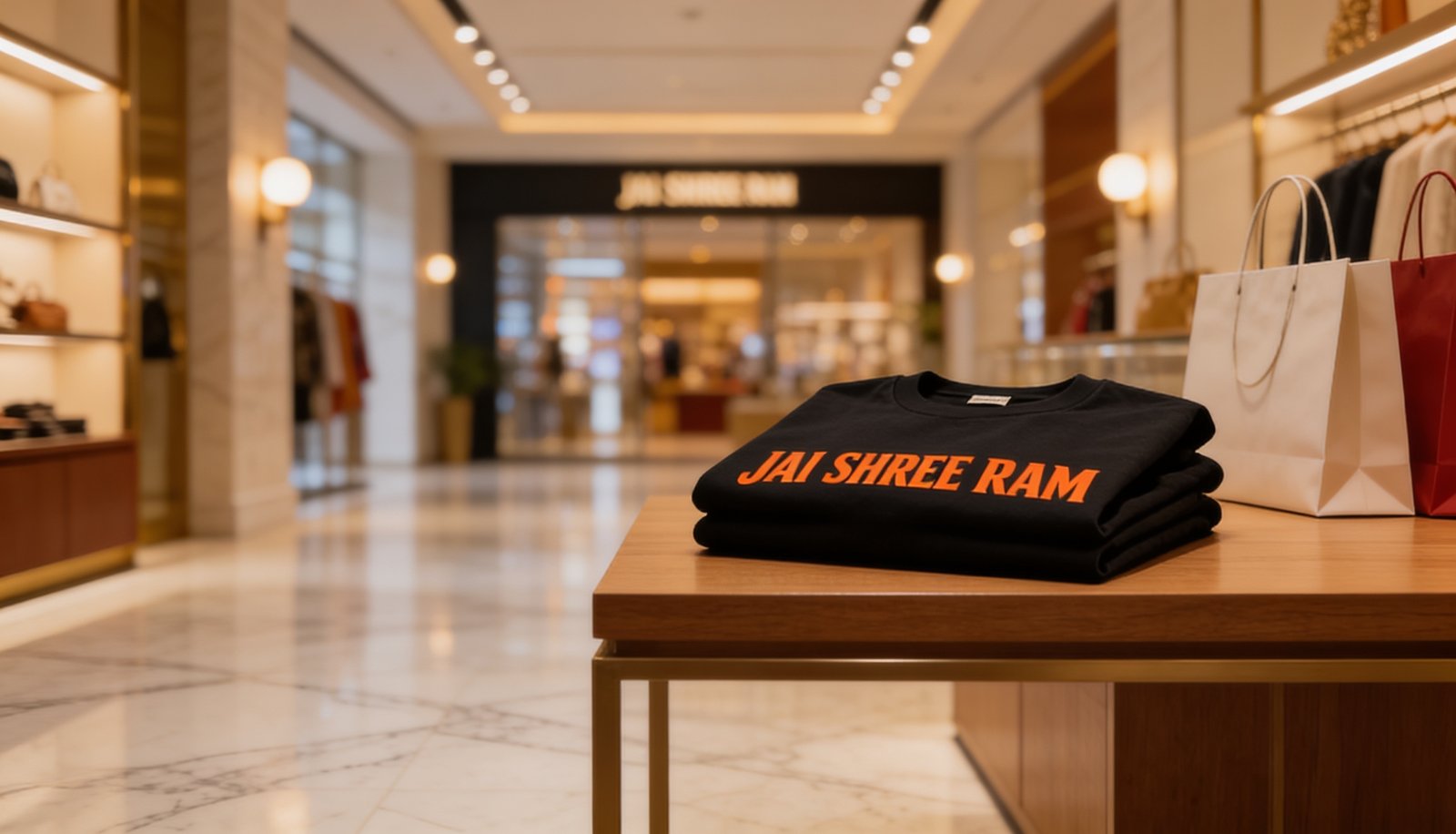
What to look for: 220 to 260 GSM fabric weight, drop-shoulder construction, pre-shrunk cotton or cotton blend. One solid colour (off-white, black, or stone) and one graphic that actually means something to you, not a graphic chosen because it looks like it should cost more than it does.
Budget allocation: ₹900 to ₹1,000 per tee. Vibrant Wolf tees sit at ₹999 with 260 GSM drop-shoulder construction. That’s the quality benchmark in this price range.
Priority 2: one versatile bottom (₹1,200 to ₹1,500)
Straight-leg cargo trousers or wide-leg joggers in a neutral, black, dark olive, or grey. This is the piece that makes the tees above work as outfits rather than individual items. It needs to combine with both tees you just bought without requiring additional effort.
The cargo trouser earns its place in a streetwear wardrobe because it has utility (pockets), visual interest (the cargo pocket silhouette), and pairs well with almost any top without competing with it. A quality pair in the ₹1,200 to ₹1,500 range should last several years of regular wear.
Priority 3: one functional layer (₹800 to ₹1,200)
An open overshirt, light hoodie, or zip-through sweatshirt. This extends the wardrobe into the cooler months (October to February for most of North India) and adds a layering option for air-conditioned environments in summer. In India, where you move between 40-degree outdoor heat and aggressively air-conditioned interiors, a layer you can carry and put on quickly is practically essential.
Keep this neutral. The tees are where colour and graphics go. The layer should work as a backdrop.
What this leaves out, and why
Footwear isn’t in this budget because it’s a separate category that requires a different investment logic. A good pair of white trainers costs ₹2,000 to ₹4,000 and lasts significantly longer than clothing. If you’re starting from nothing, prioritise clothing first and plan footwear separately.
Accessories (caps, bags, belts) are genuinely optional in streetwear. Unlike formal wear, the street style aesthetic doesn’t require them to complete a look. Add them once the base wardrobe is in place.
The Indian streetwear brand landscape at this price point
The Indian streetwear market has grown significantly since 2020, and the quality at the ₹999 to ₹1,500 range is meaningfully better than it was five years ago. Several brands now make pieces designed for the Indian body, the Indian climate, and Indian cultural references, rather than imported templates with different graphics.
What distinguishes the better brands at this price point from the generic ones comes down to a few things. Brands that list GSM weight and material composition are making a considered product. Brands that only list “100% cotton” without weight are often selling generic blanks. Beyond fabric transparency, look for sizing guides with actual measurements rather than just S/M/L labels. Standard Western sizing charts don’t always translate well to Indian proportions, and a brand that’s thought about this has usually thought about the rest of the product too.
The most interesting Indian streetwear also isn’t trying to look like it’s from New York. The brands worth paying attention to reference Dehradun, Mumbai local train culture, South Indian cinema, Urdu typography. Things that have actual roots here. That specificity is what makes a piece worth wearing rather than just owning.
How to stretch ₹5,000 further without compromising quality
Buy direct from Indian brands
Platform markups on Myntra, Ajio, and Amazon can add 20 to 40% to the price of a piece you could buy directly from the brand’s website for less. Most Indian streetwear brands now have functional direct-to-consumer sites with better prices and more size availability than third-party platforms.
Prioritise care
The single biggest driver of wardrobe costs is replacing pieces that wore out too quickly. Cold wash, inside-out, hang dry. Follow these three steps and you double the usable life of most tees. A ₹999 tee that lasts three years is better value than a ₹600 tee that needs replacing after six months.
Resist trend pieces until the foundation is set
The temptation is to buy whatever looks interesting right now. The smarter approach is to complete the foundation (two tees, one bottom, one layer) before adding anything trend-specific. Trend pieces only work when you have the base to combine them with. Without the base, they just sit in the wardrobe unworn.
Sample ₹5,000 wardrobe build
- Solid off-white oversized tee: ₹999 (Vibrant Wolf)
- Graphic oversized tee: ₹999 (Vibrant Wolf)
- Black straight-leg cargo trousers: ₹1,299 (local streetwear brand or direct)
- Dark grey zip-through hoodie: ₹1,199 (Indian DTC brand)
- Total: ₹4,496, which leaves ₹504 for a cap or a second bottom in a different colour
Three outfits from four pieces: tee + cargo, graphic tee + cargo + hoodie open, solid tee + hoodie zipped as a layering piece. That’s a functional wardrobe, not a drawer.
Frequently asked questions
Can you actually build a streetwear wardrobe for ₹5,000 in India?
Yes, if you prioritise quality over quantity and buy pieces that work together. Four well-chosen items at ₹1,000 to ₹1,300 each creates more outfit combinations than ten ₹400 pieces that don’t combine cleanly. The key is the foundation-first approach: tees, then a bottom, then a layer.
Which Indian streetwear brands are worth buying at this price point?
Look for brands that are transparent about fabric specs (GSM weight, material blend), offer genuine drop-shoulder construction rather than standard oversized, and produce graphics with Indian cultural references rather than generic streetwear aesthetics. Vibrant Wolf is one such brand, with 260 GSM tees at ₹999 and sizing from XS to 3XL.
Should I buy from Myntra or directly from brands?
Direct from the brand’s website is almost always better at this price point. Platform commissions inflate prices, and direct purchases often include better size availability, exchange policies, and sometimes exclusive colourways that don’t make it to third-party platforms.
What’s the minimum spend for a quality oversized tee in India?
₹800 to ₹1,000 for a tee with 220+ GSM fabric and genuine drop-shoulder construction. Below ₹600, you’re likely getting a standard tee in a larger size rather than a purpose-made oversized piece, and fabric quality drops significantly below 200 GSM.
The bottom line
₹5,000 is enough to build a real streetwear wardrobe in India if you spend it on four considered pieces rather than ten forgettable ones. The foundation is two quality oversized tees, one versatile bottom, and one layer. Everything else, accessories, statement pieces, trend items, builds on that base. Start there.